Arachnids And Other Arthropod Pests
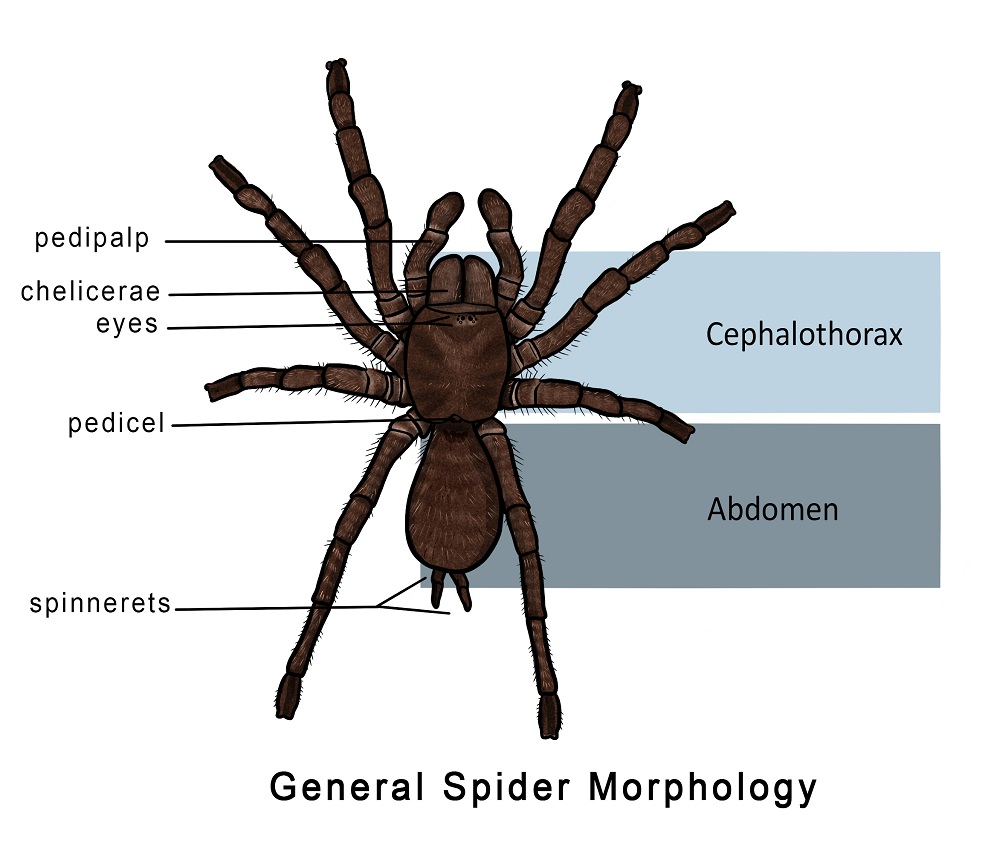
Spiders, mites, ticks, scorpions and harvestmen are arthropods members of the Class Arachnida. They are often mistaken as some kind of peculiar insect when they are actually very different from members of the Class Insecta. Arachnids are characterized by two body regions: the cephalothorax (fusion of the head and thorax) and abdomen, four pairs of legs, and two pairs of mouthpart appendages: chelicerae and pedipalps, unlike insects that have three body regions, three pairs of legs, two pairs of wings, and a pair of antennae.
Spiders
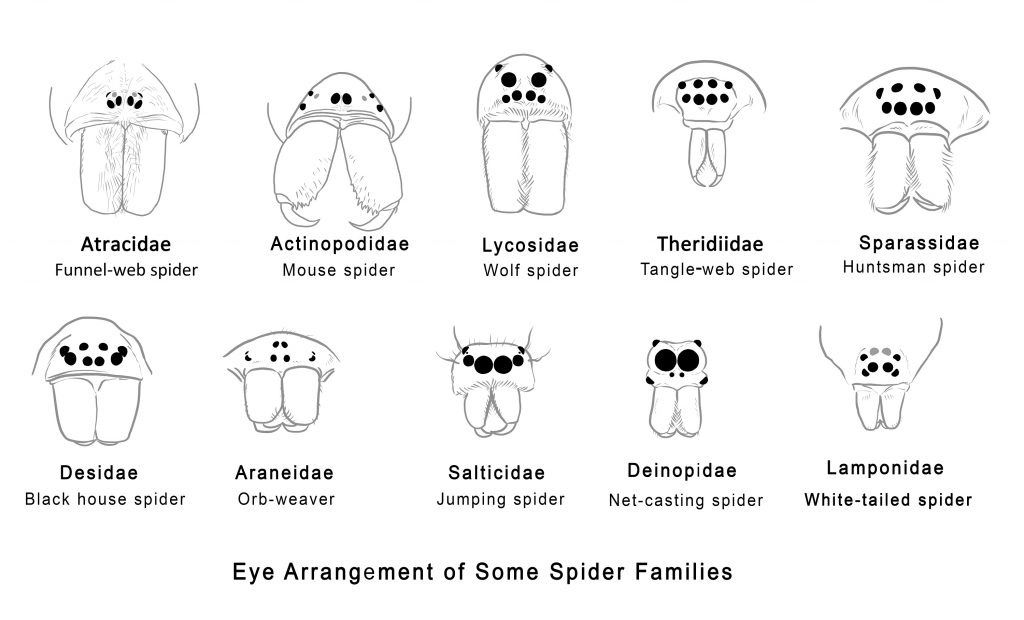
Spiders belong to the Order Aranae, the largest order of arachnids. They have eight legs, and usually have eight eyes (some have six or fewer) each equipped with a single lens. They have chelicerae with fangs that enable them to inject venom into their prey, pedipalps, and silk-spinning organs at the tip of their abdomen called spinnerets. Their two body regions, the cephalothorax and the abdomen are joined by a cylindrical pedicel.
Spiders are found all over the world except in Antarctica. There are over 45,000 species of spiders, and an estimated total of 10,000 species are in Australia, but only 2,700 of them have been described.
Biology, Life Cycle and Behaviour
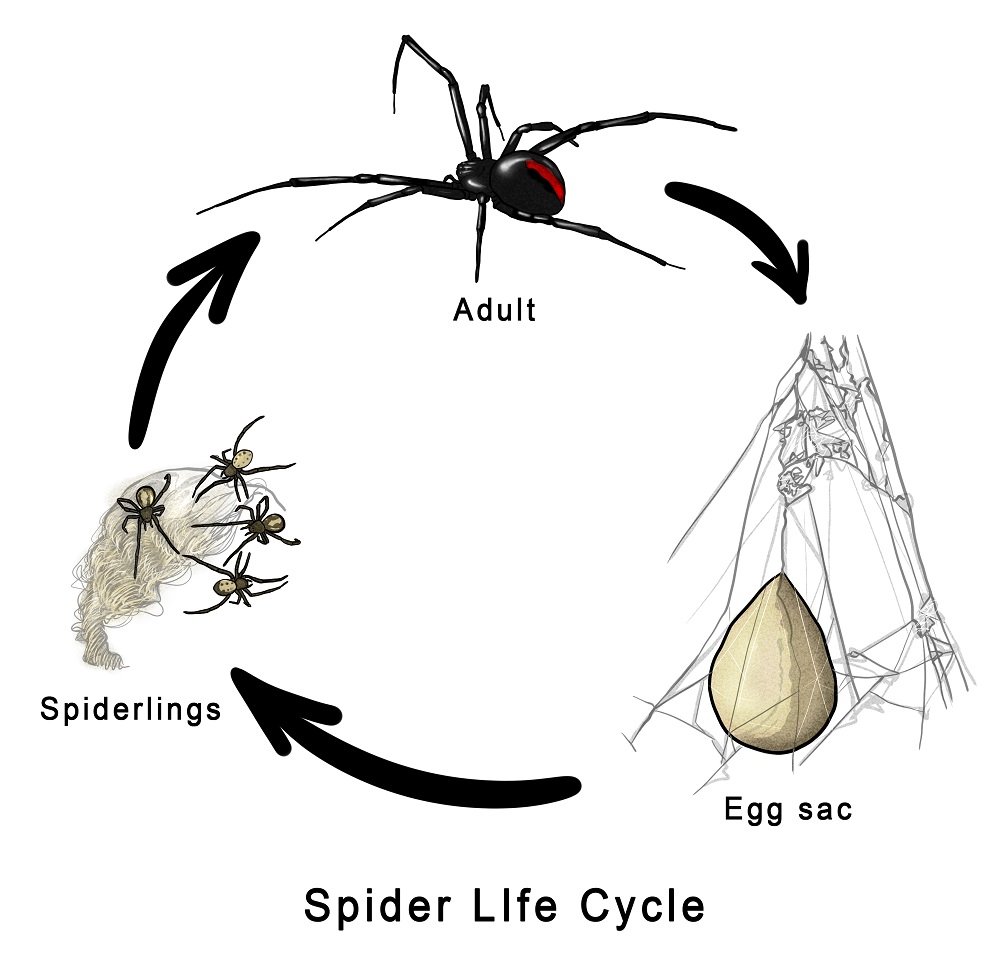
Spiders undergo three developmental stages: eggs, spiderlings or the immature stage, and the adult stage. Female spiders are bigger than male spiders, and they can also be more powerful and dangerous. Prior to mating, the adult male spider will spin a web where it would discharge sperm and transfer it to syringe-like structures on its palps. The male then looks for a mature female to engage in a courtship ritual with, and these rituals vary depending on the species. After a successful courtship, the male transfers its sperm from its palps to the female’s genital opening on the underside of its abdomen. In some species, the female eats the male after mating.
Egg. The female spider stores the sperm until it is ready to lay eggs. The mother spider makes an egg sac from silk to deposit her eggs in and protect her eggs from the environment and predators. The number of eggs a female spider can lay varies from species to species and can range from a few to a few hundred to thousands in a single egg sac.
Spiderling. This is the immature stage of spiders. After a few weeks, immature spiders called spiderlings hatch from the egg sac and immediately dispense either by walking or ballooning. Spiderlings resemble their parent but are much smaller. They moult several times as they become bigger, and remain very vulnerable until their exoskeletons are fully formed.
Adult. Spiders reach adulthood typically after 5–10 moults. During this time, they are ready to reproduce and start another life cycle. Some spiders only live up to one to two years, whereas some may live up to 20 years like female tarantulas.
Food and Feeding Habits
Most spiders are nocturnal though there are some species that are more active during the day. During the nighttime, spiders come out of their burrows to search for food or for web-spinning spiders, they construct webs to trap prey. When morning comes, most spiders become less active and go back into hiding.
Spiders eat a variety of foods like ants, flies, and mosquitoes, and although they are primarily carnivorous, some spiders also eat nectar, honeydew, and seeds. Web-spinning spiders usually consume flying insects that they snare on their webs, while hunting spiders have to run and catch their prey, such as small arthropods. Bigger hunting spiders are known to eat lizards, worms, and even frogs.
Spider Venom
All spiders have venom glands near their chelicerae, except for two small families. However, most spiders are harmless to humans and other mammals. That being said, there are a few spiders in Australia that can cause severe envenomation, which is why it is important to know how to identify them.
Important Species
Sydney Funnel-web
Northern Rivers Funnel-web
Sydney Brown Trapdoor
Mouse Spiders
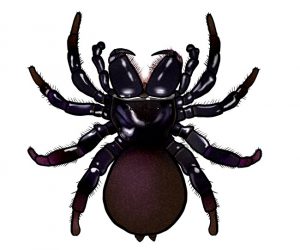
Wolf Spiders
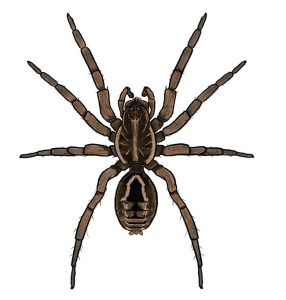
Redback Spider
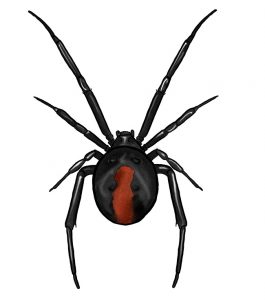
Huntsman Spiders
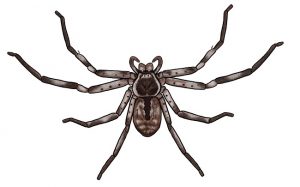
Black House Spider
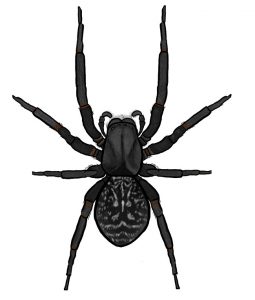
Other Species
Garden Orb-weaver
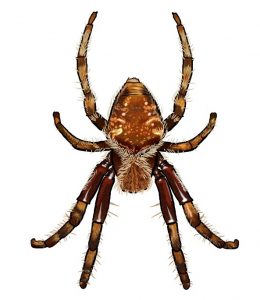
St. Andrew’s Cross
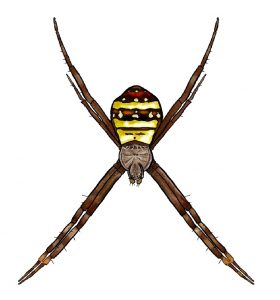
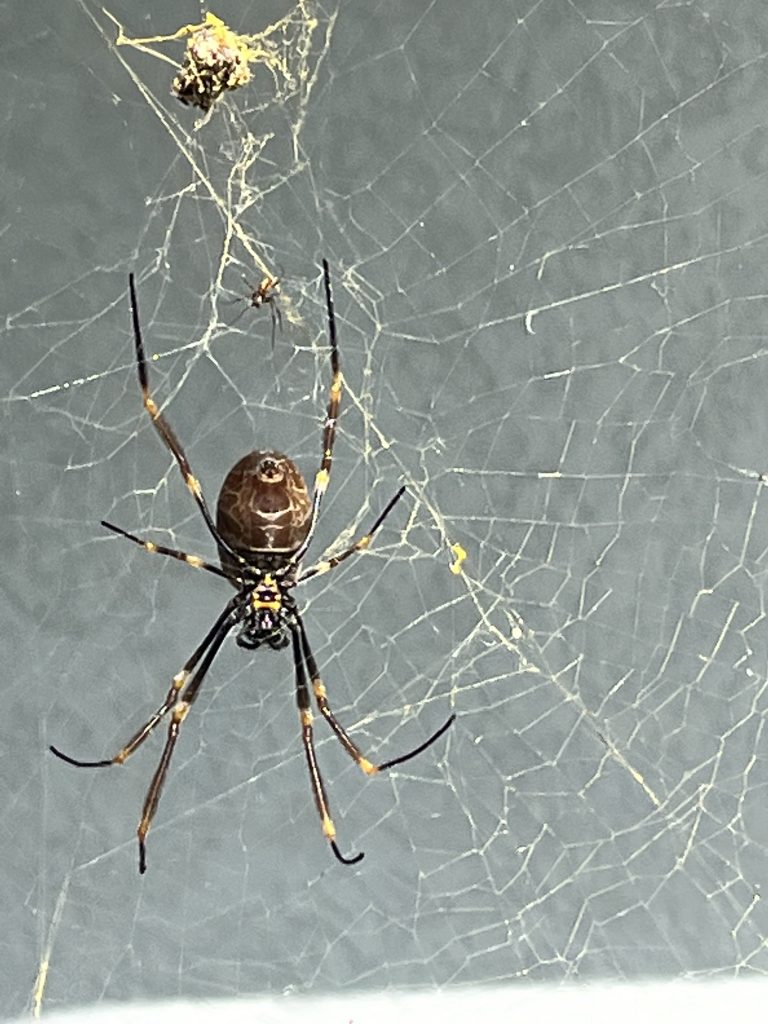
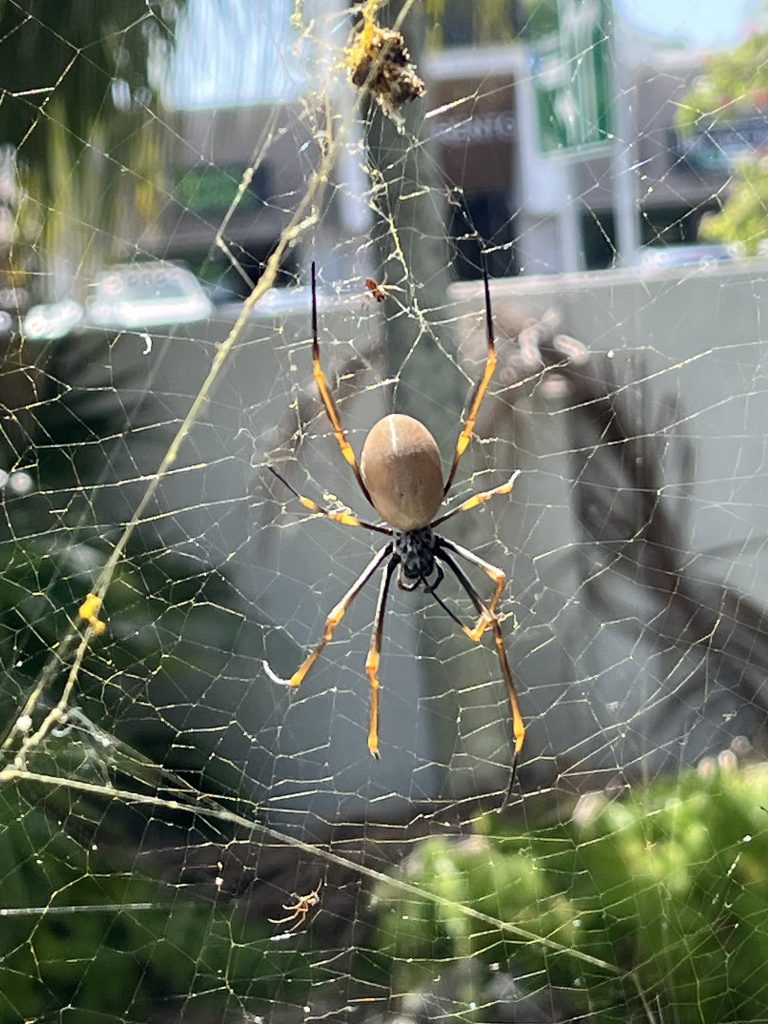
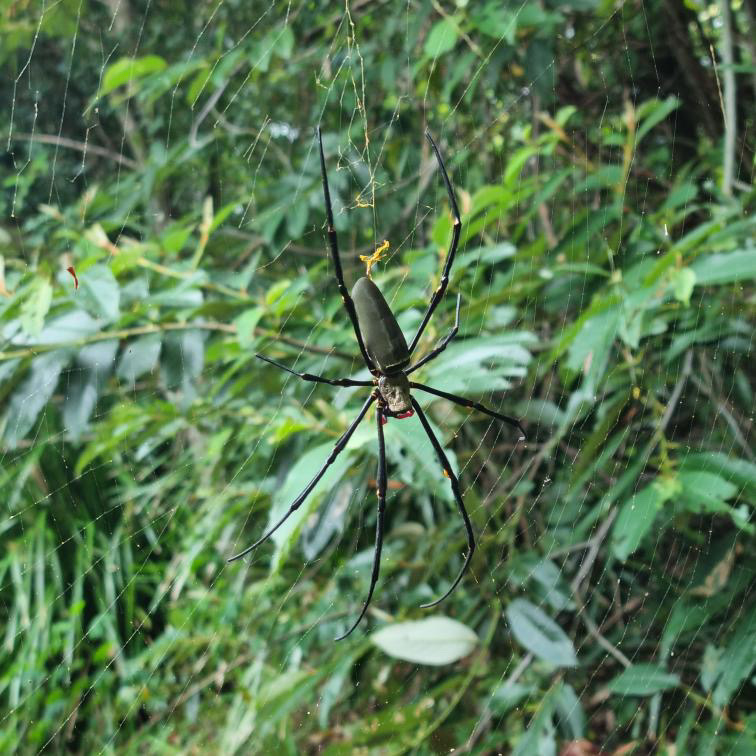
Golden Orb-weavers
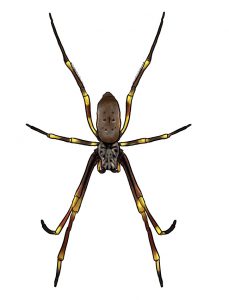
Leaf-curling Spider
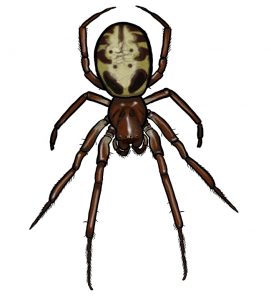
White-tailed Spider
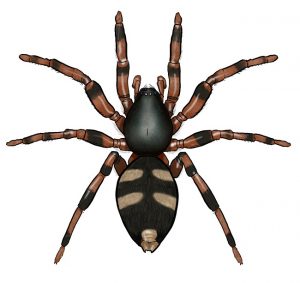
Rofous Net-casting Spider
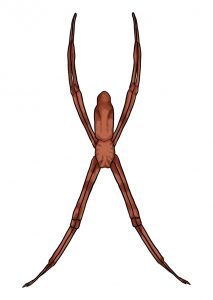
Daddy-long-legs Spiders
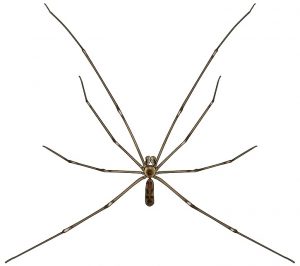
Jumping Spiders
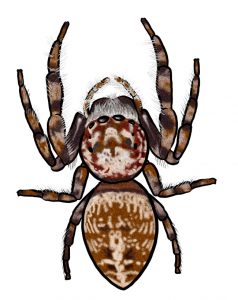
Australian Tarantulas
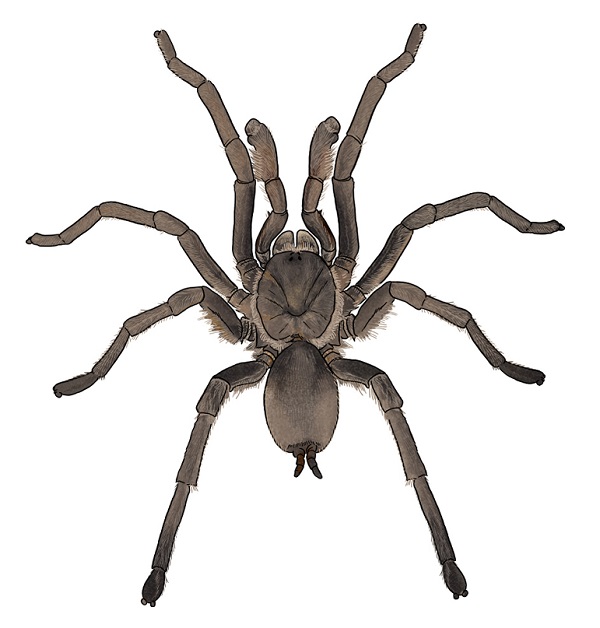
Scorpion Tailed Spider
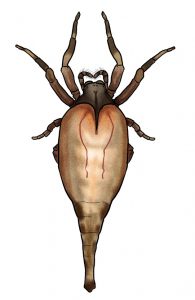
Magnificent Spider
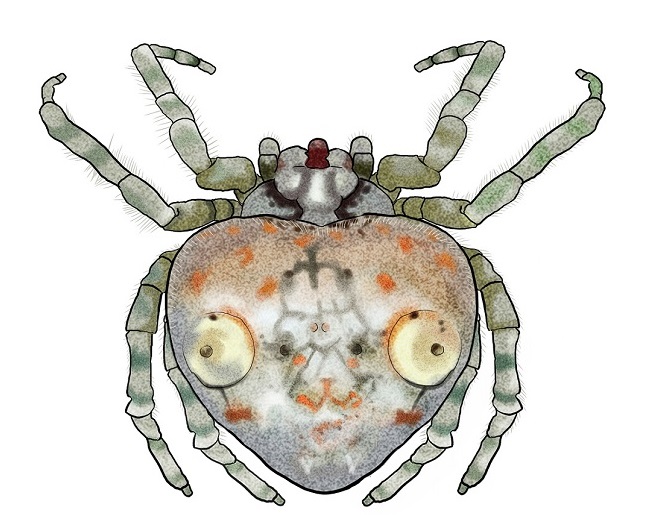
Hairy Imperial Spider
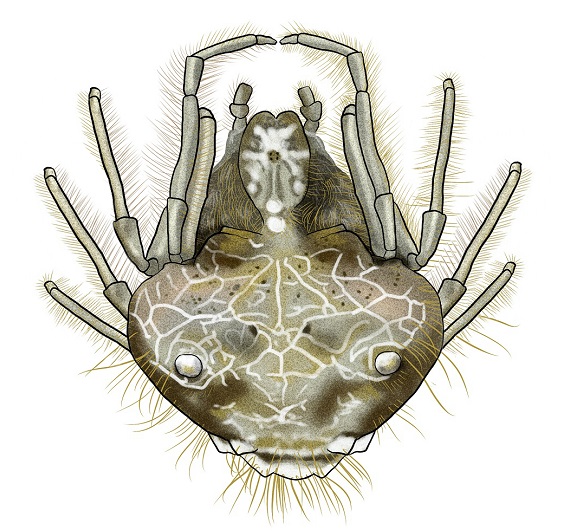
Two-spined Spider
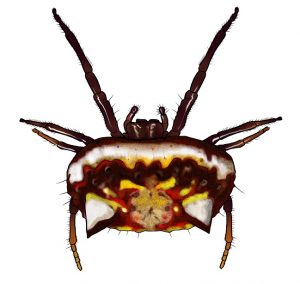
Bird-dropping Spider
Eye Arrangement of Some Spider Families
Symptoms and Treatments of Spider Bites
Funnel-web Spider
| Symptoms | Treatments |
| 1. Pain in area of the bite; numbnes. 2. Nausea and vomiting. 3. Profuse sweating and collapse. 4. Frothing at the mouth. 5. Patient may turn blue because of breathing difficulty. 6.Cramps and pain in limbs and abdomen. 7.Patient may become delirious. 8. Twitching of facial muscles, contractions of limbs, sluggish reflexes, eyes fail to respond to light; coma. | 1. Remove any tight clothing and make the patient comfortable. 2. Apply firm pressure over the area of the bite using a broad roller bandage. 3. Cover the bite site, extend the bandage to both the extremity of the limb and as high up as possible and keep the movement of that part of the body to a minimum. 4.Bring the patient to the hospital immediately. 5. Avoid stimulants; no liquids taken orally. 6.Warmth to would produce pain. |
Redback Spider
| Symptoms | Treatments |
| 1. Stinging sensation at bite although no sign may be evident. 2. Swelling around the bite and paleness; pain and tenderness. 3. Stiffness around the bite area. 4. Pain in lower limbs due to absorption of venom in the lymphatic system. 5. Patient shows shock symptoms; pallor, weakness, profuse sweating, nausea and vomiting. 6. Some cases show paralysis of the lower limbs. | 1. Remove any tight clothing and make the patient comfortable. 2. Apply a cold pack or cold compress to the site; be careful to not freeze the tissue. 3. Apply a cold pack or cold compress to the site; be careful to not freeze the tissue. |
Mouse Spider
| Symptoms | Treatments |
| Same as the redback spider which includes: * Intense pain around the bite site * Nausea * Vomiting * Palpitations * Abdominal pain * Fever * Muscle Spasms | 1. Remove any tight clothing and make the patient comfortable. 2. Casually rest and stay still to keep the venom from spreading through the body. 3. Apply firm pressure over the area of the bite using a broad roller bandage. 4. Apply a cold pack or cold compress to the site; be careful to not freeze the tissue. 5.Seek medical assistance immediately. |
Spider Control
Although most spiders are harmless to humans and are beneficial to the environment, homeowners do not want to share their space with uninvited visitors. Additionally, some spider species in Australia are extremely venomous and can cause severe effects on humans. That’s why it is important to be able to identify spider species to know how to safely and effectively control them.
Image Gallery