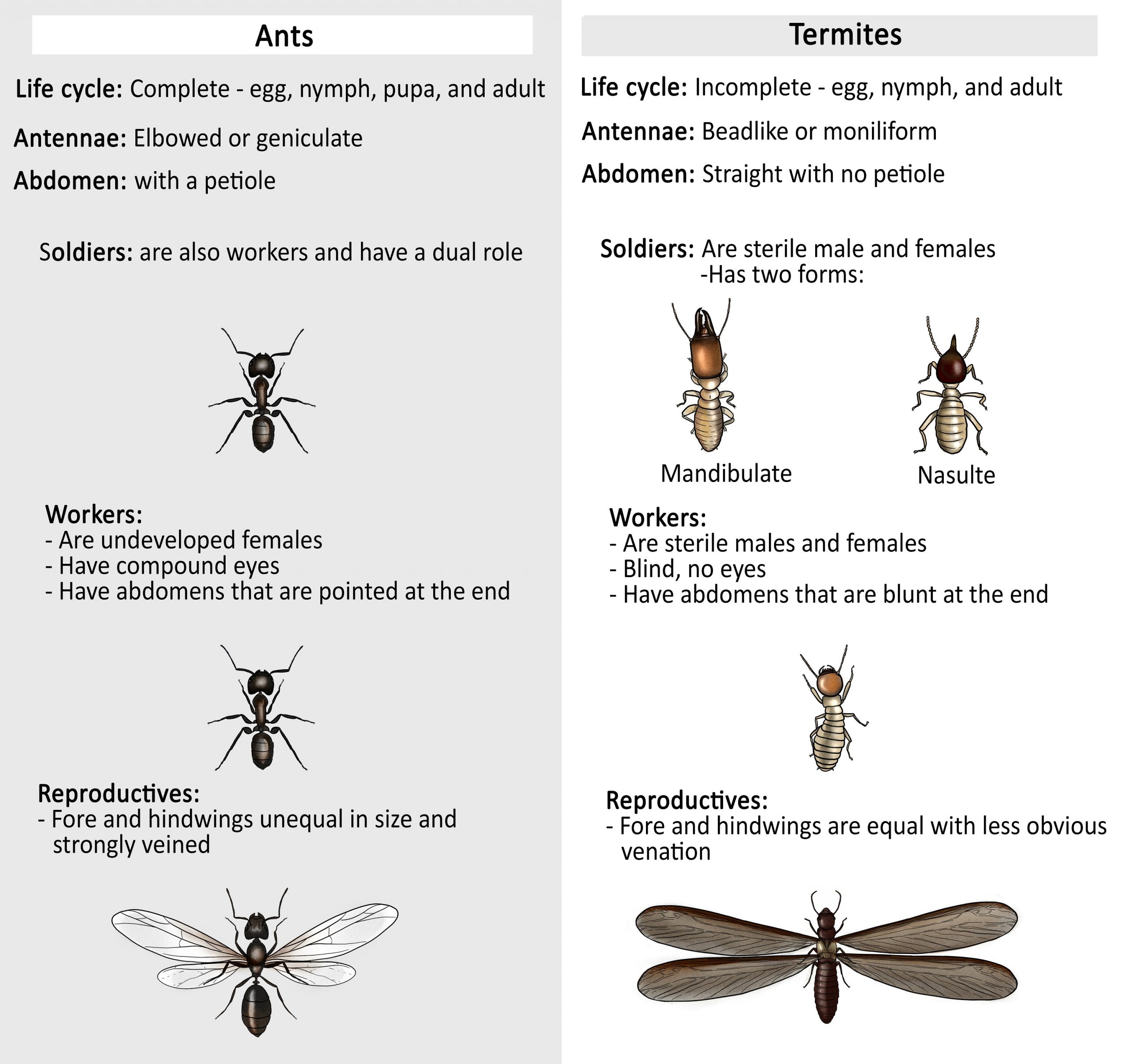
Ants belong to the family Formicidae within the insect order Hymenoptera, along with bees, wasps, and sawflies. Ants are often mistaken for termites since look similar and may appear in the same habitat, but they are very different from one another. It is important to know how to differentiate ants from termites.
Ants are social insects that form colonies of varying sizes ranging from a few tens to over a million individuals. The type of colonies ants build varies — some species build their highly organized colonies underground, some in ground-level mounds, and some in trees. Some ants, like carpenter ants, form colonies in wood, and some ants do not have permanent nests and travel from one food source to another.
Ants are widespread and have colonised every possible landmass in the world except inhospitable islands. So far, there are 1,275 described ant species in Australia, most of which are native species.
Morphology
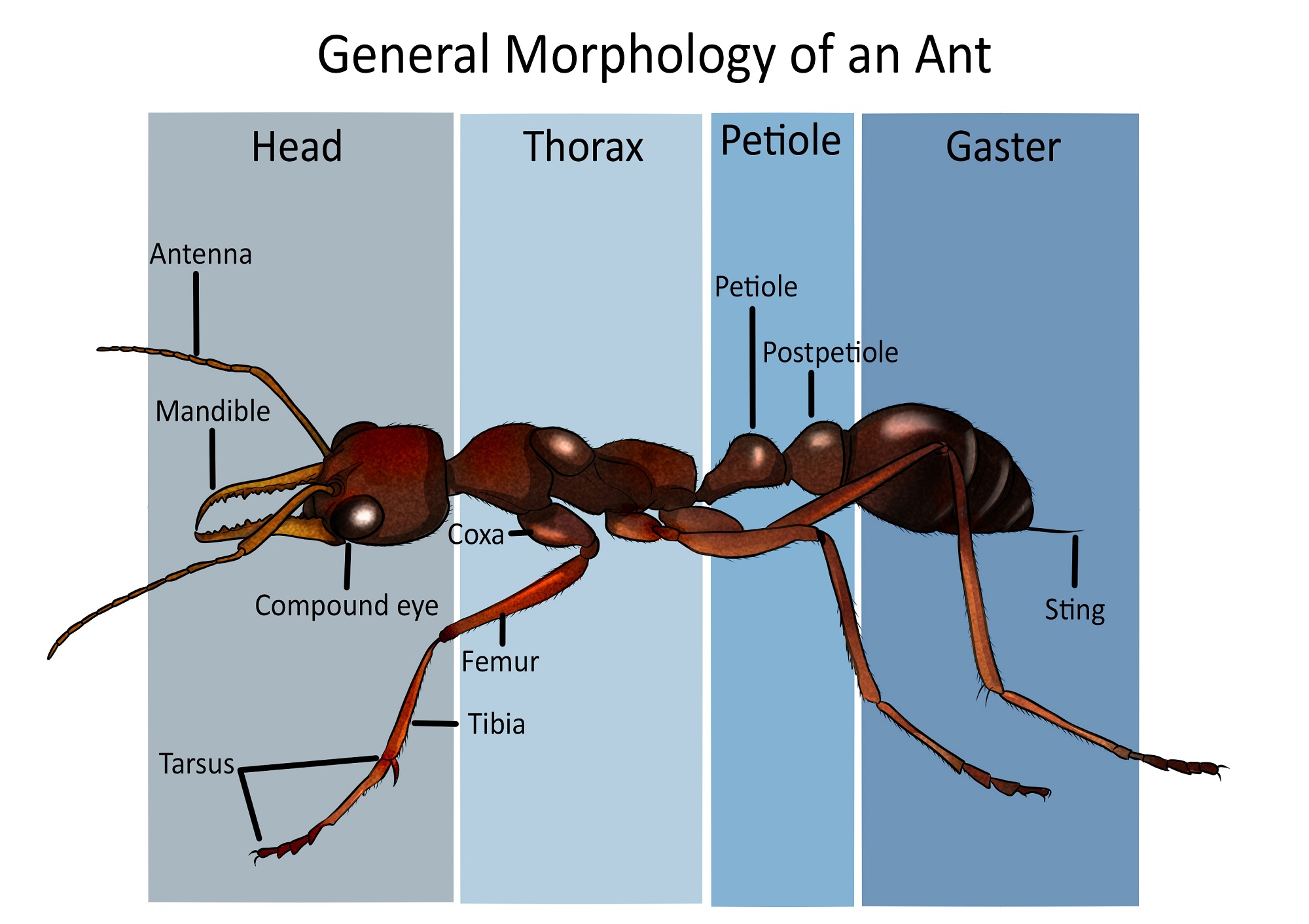
Ants are characterized by their elbowed or geniculate antennae, metapleural glands (secretory glands unique to ants), and their “narrow waist” or the strong constriction on their second abdominal segment forming a node-like petiole. Ants have three distinct body segments — the head, thorax, and abdomen. The petiole usually has one or two projections called “nodes” which can aid in identifying the species. A stinger at the tip of the gaster may or may not be present depending on the species of the ant. The reproductives have membranous wings, where the forewings are bigger than the hindwings.
Life Cycle
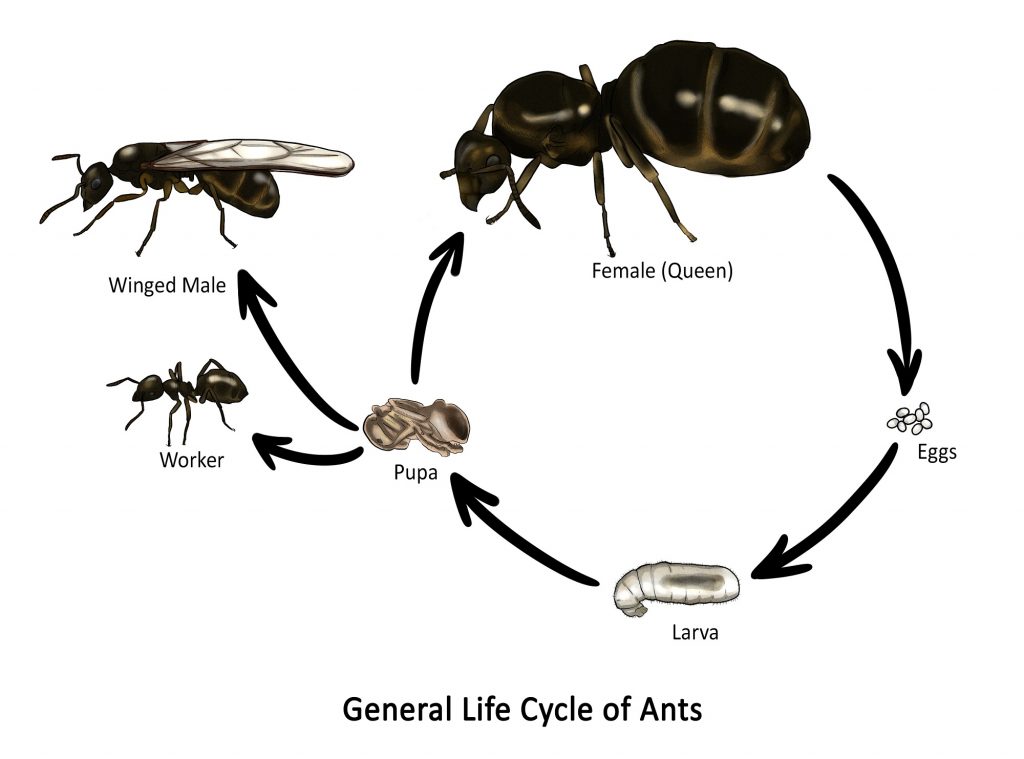
Egg. Ants have a complete life cycle and it begins with small eggs that are oval in shape. When a queen starts a new colony, she may eat her own eggs for nourishment until some workers hatch.
Larva. The eggs hatch into larvae that are whitish and narrowed towards the head. They are fed by the adults and grow rapidly, undergoing several moults until they are ready for pupation.
Pupa. This is the metamorphosis stage, where reorganization takes place. The pupae are whitish at first then gradually darken in colour. They look like adult ants but their appendages are folded against their bodies, and they are inactive. In some species, the pupae are wrapped in a silk cocoon for protection.
Adult. When the adult emerges, it takes a few hours to several days for their cuticles to harden and darken. Development from egg to adult takes several weeks to months depending on the species and environmental factors like food availability, temperature, and humidity.
Castes
Ants belong to three castes:
Queen. The queen is usually the largest in body size among the castes because she was fed more when she was just a larva. Her main role in the colony is to lay eggs. She begins her life as a winged individual, then drops the wings after mating. Some species only have one queen while some species have multiple queens. The queen can live up to 15-25 years.
Male. Male ants are winged and their primary role is to mate with the queen or queens, and they may die shortly after mating.
Worker. This is the most numerous caste in the colony. Workers are sterile, wingless females that perform various tasks such as nest building, taking care of the brood, foraging, and overall colony maintenance. Workers live up to several months.
Behaviour
Ants communicate with the members of the colony using smell through pheromones, touch by antennal stroking, taste by regurgitating food, and sight with their well-developed eyes.
Ants use their pheromones to mark foraging trails for other ants to follow. When a forager finds a food source, it marks the trail on the way back to the colony, so other ants can follow this trail and gather food. When a food source is blocked or exhausted, foragers would stop leaving pheromone trails and start looking for new, shorter and better routes. They then mark the best route on the way back to the colony, and this will be followed and reinforced by other members of the colony. Ants also use their pheromones to alert other ants of danger.
Ants are omnivorous and will eat almost everything. They feed on the milk of aphids or honeydew, living or dead invertebrates, plant material, meat, fruits, insect eggs, seeds, etc. Cannibalism of dead colony members is rare in ants, however, it is easily triggered by the lack of food. Ants rarely eat their dead nestmates to prevent the transmission of pathogens and parasites form the dead to the colony. This is the reason why some ant species kick-out their dead nestmates from their colony, some bury their dead, and some have a designated charmber in their nest for the dead. One ant species, Formica polyctena (a species native in Europe), eats its dead nestmates despites having other food sources around.
Ant Control
Controlling ants need a great understanding of their foraging and nesting habits, as well as their food preferences. The ability to identify the species of the ant that is causing the infestation will greatly help technicians come up with an effective control program.
Non-Chemical Control
Sanitation. A reason why ants might forage inside a building is that there are available food sources in the kitchen, bedroom, cupboards, and lounging areas. Vacuuming or sweeping food crumbs, properly storing food, washing food utensils after use, sealing up entry points, and overall good housekeeping practices can help prevent ant infestations. Controlling sap-sucking insects in the garden can also prevent ant activities outdoors.
Chemical Control
A thorough inspection to locate the ant nest should be done before treatment application. There are several types of products that can be used to control ants including, baits, powders, sprays, and granular insecticides. Ant baits are the most preferred control measure because they have the ability to get rid of a whole colony. However, ant baits do not work on every kind of ant so they are sometimes used together with another product depending on the type of ant species and the size of the colony.
Baits. The main goal of ant control is to eliminate the entire colony, and ant baiting is the preferred method of control in most situations since it takes advantage of the natural foraging behaviour of ants and does not require locating the nest. Ant baits contain insecticides mixed with food attractants. When the bait is placed near a foraging trail, ants will immediately detect it and inform other workers to carry portions of the bait back to the nest. The bait will then be transferred mouth to mouth (trophallaxis) to other workers, males, larvae, and queen(s), eventually killing the colony.
Baits do not kill the ants right away, which gives the workers enough time to make several more trips to the bait and spread it to the entire colony.
Powders or Dusts. Permethrin-based powders and Fipronil-based powders are the only two insecticide powders used to control ants. These powders can be useful for inaccessible areas like cracks and crevices, roof and wall voids, and for sensitive areas with electrical wiring and switch boxes.
Permethrin-based powders are more effective when directly applied to nests. Fipronil-based powders can be more effective since it is non-repellent and can be transferred to other members of the colony.
Insecticide sprays. Non-repellent sprays are used to treat surfaces without immediately killing the ants. Once ants crawl on a treated surface, they unknowingly carry the residues of the insecticide which they can pass on to other members of the colony through grooming and direct contact, eventually killing them.
Non-repellent sprays cannot guarantee the elimination of the entire colony and are more effective when used after doing a bait treatment.
Granular insecticides. These are insecticides that are attached to organic materials such as ground-up clay, sand, or corn grits. They can be useful in treating large outdoor areas. Granular insecticides usually have bifenthrin and fipronil as active ingredients. Bifenthrin is a pyrethroid insecticide that is repellent in nature, meaning its performance tends to be based on exclusion from an area, whereas fipronil is non-repellent and can be more effective in reducing and controlling colony populations.
Small Black Ants
Black House Ant
White-footed house Ant
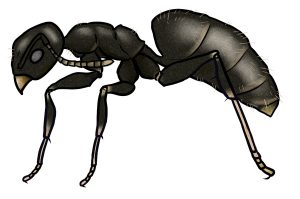
Acrobat Ant
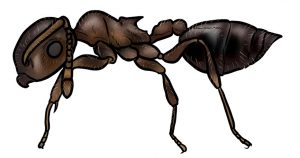
Ghost Ant
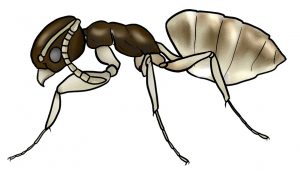
Odorous Ant
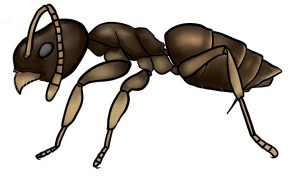
Tyrant Ant
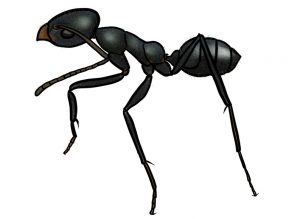
Green-headed Ant
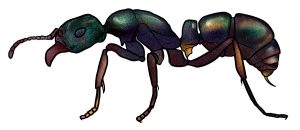
Small Brown Ants
Argentine Ant
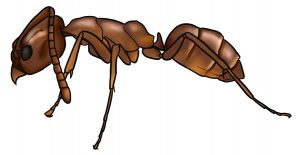
Pavement Ant
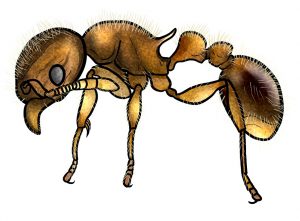
Black Crazy Ant
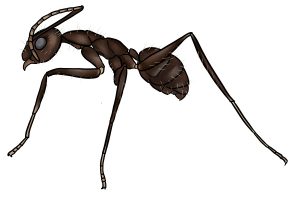
Yellow Crazy Ant
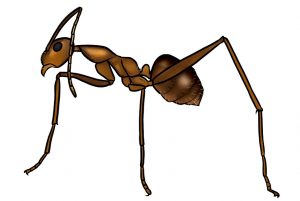
Red Imported Fire Ant
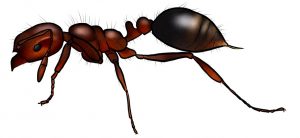
Tropical Fire Ant
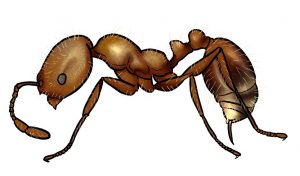
Brown House Ant
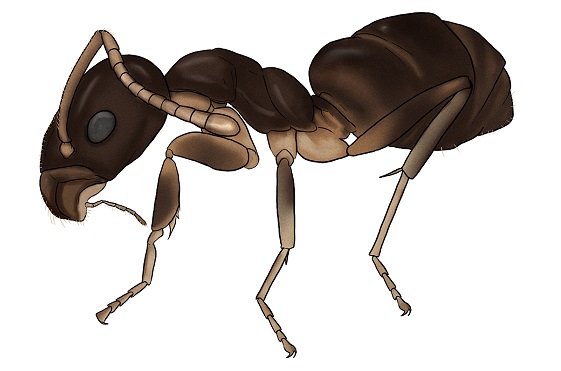
Tiny Brown Ants
Little Fire Ant
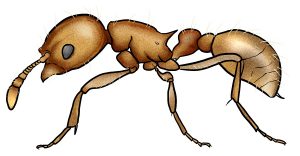
Coastal Brown Ant
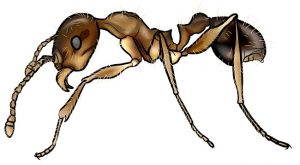
Pharaoh Ant
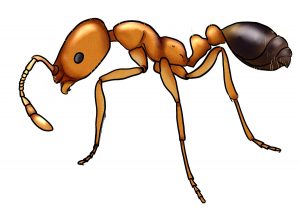
Singapore Ant
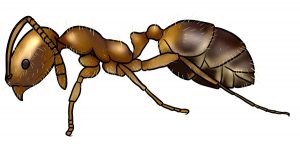
Bi-coloured Trailing Ant
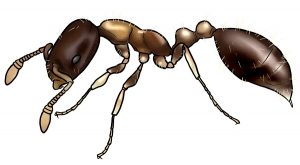
Large Ants
Funnel Ant
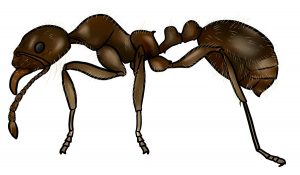
Southern Meat Ant
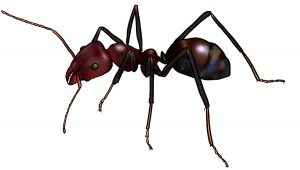
Carpenter Ant
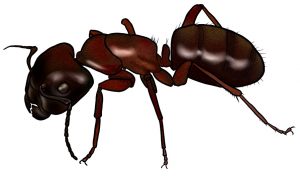
Golden Spiny Ant
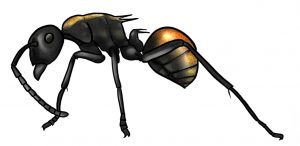
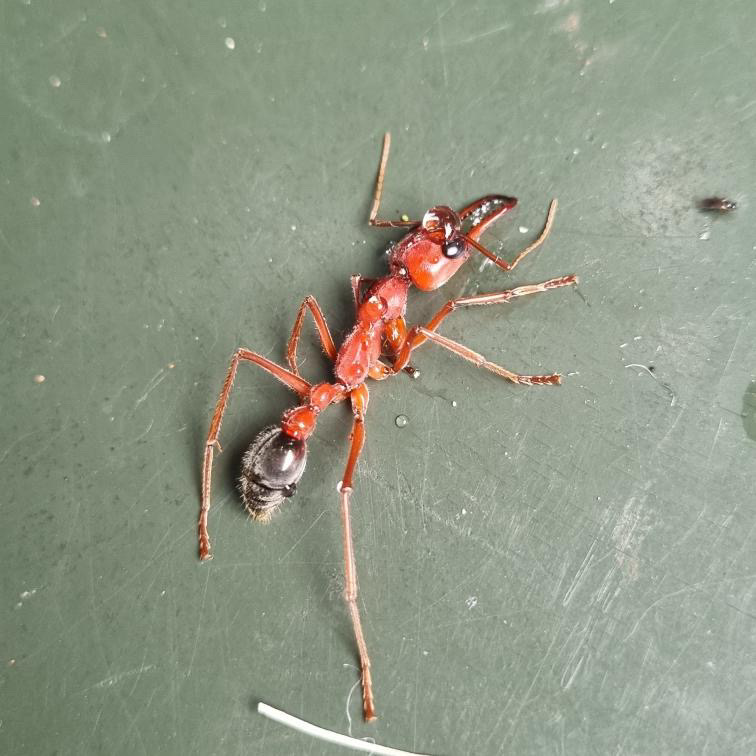
Bulldog Ant
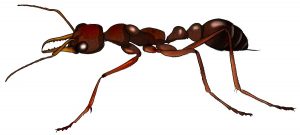
Image Gallery
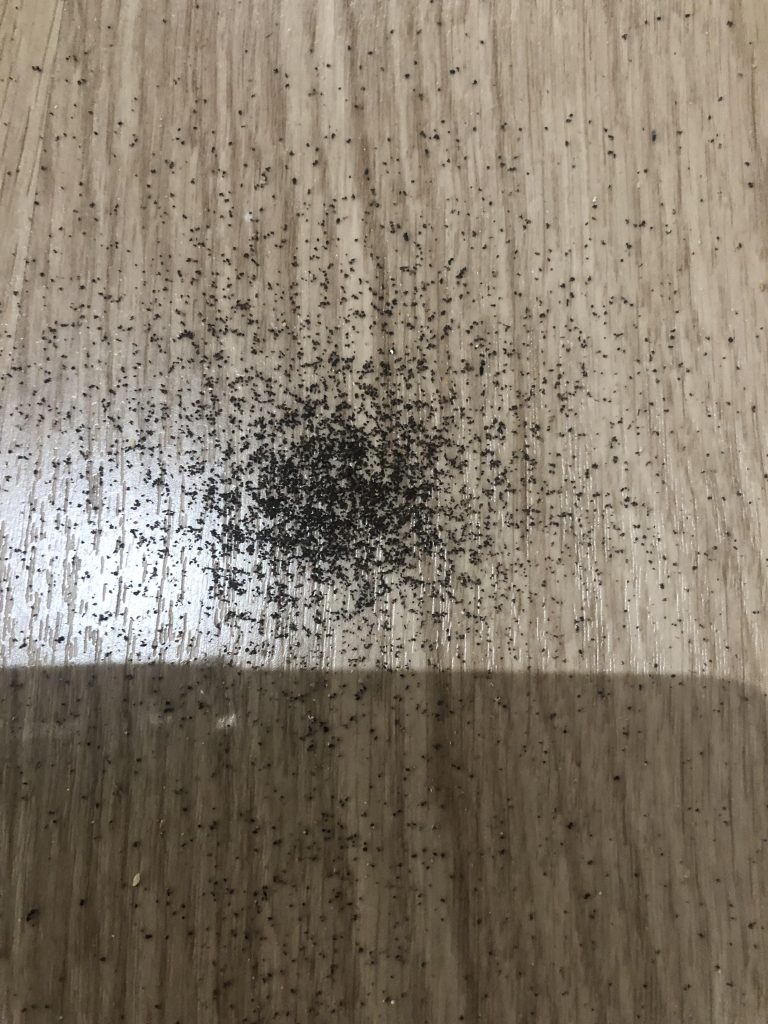
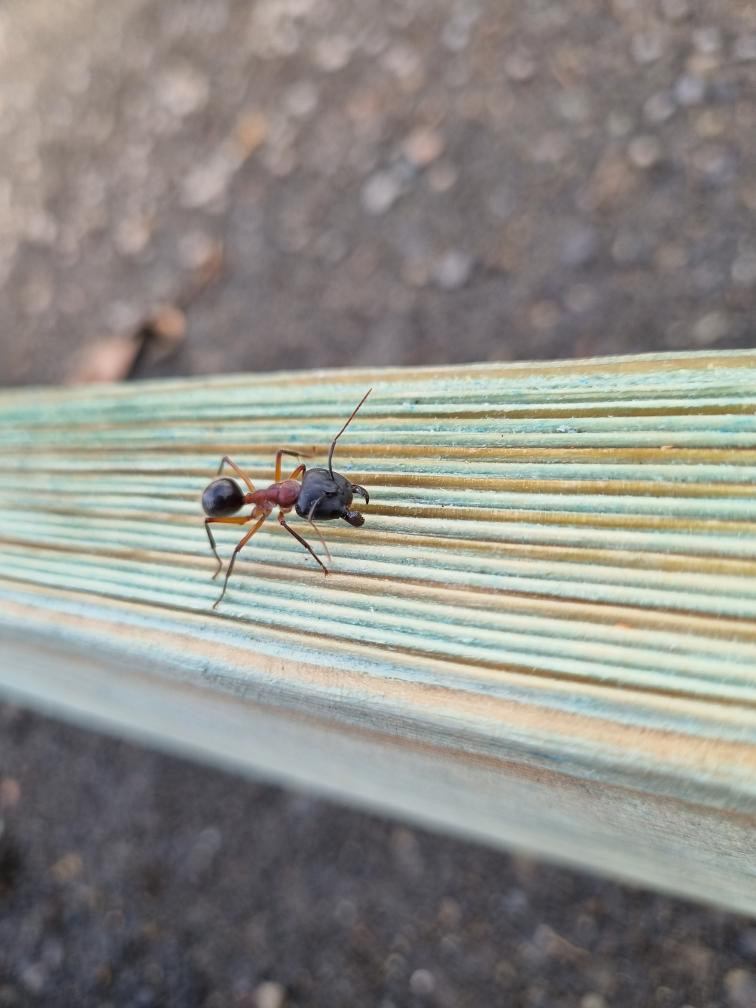
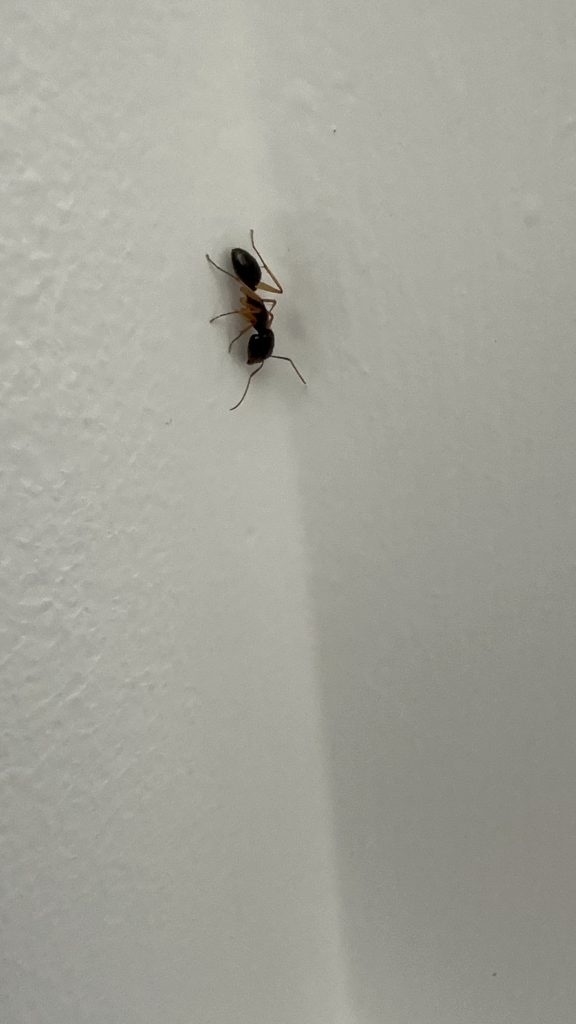
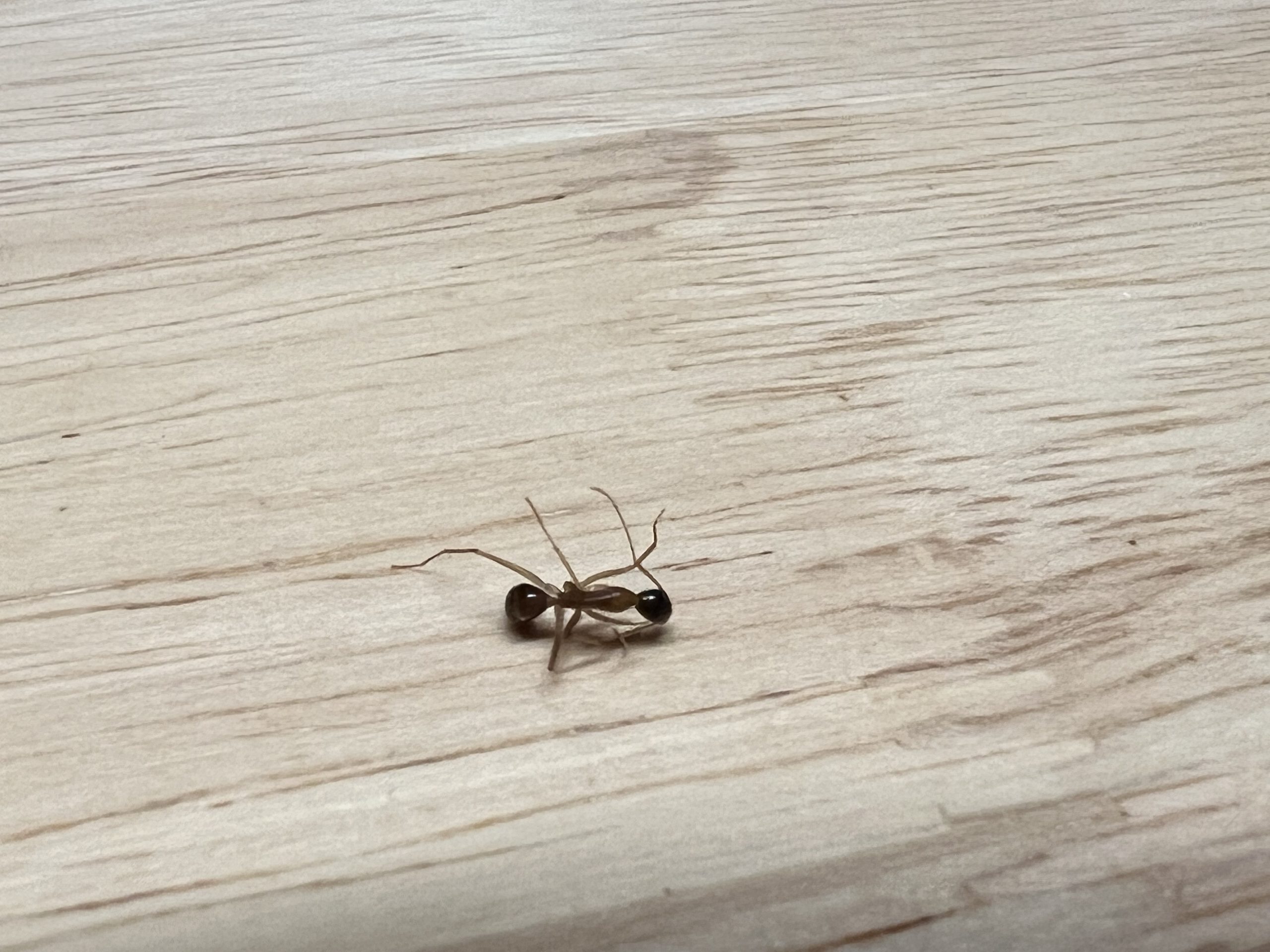
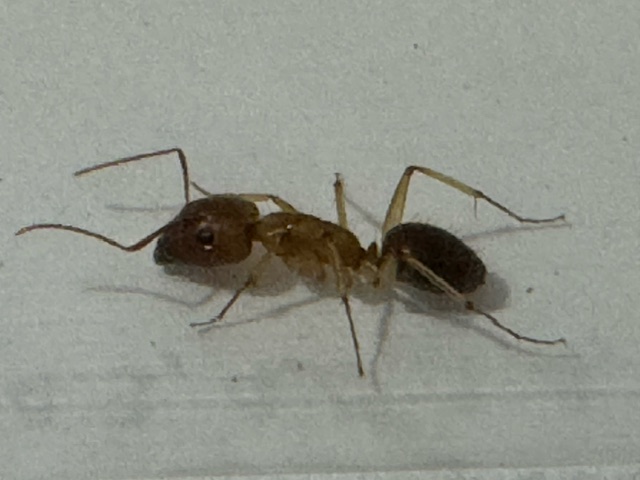
Carpenter Ant/Sugar Ant major Worker-lateral view
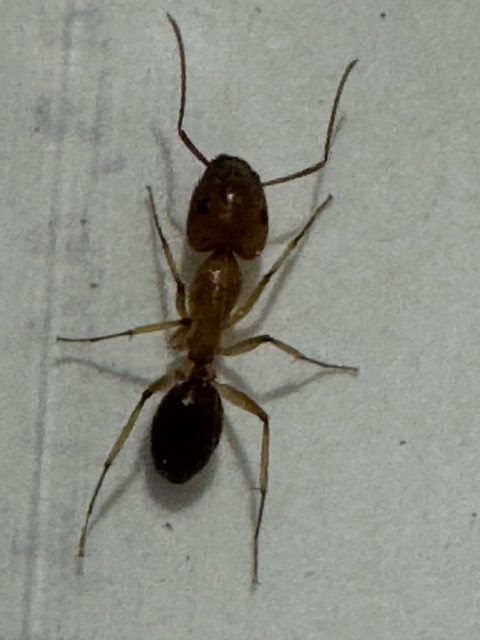
Carpenter Ant/Sugar Ant major Worker-dorsal view
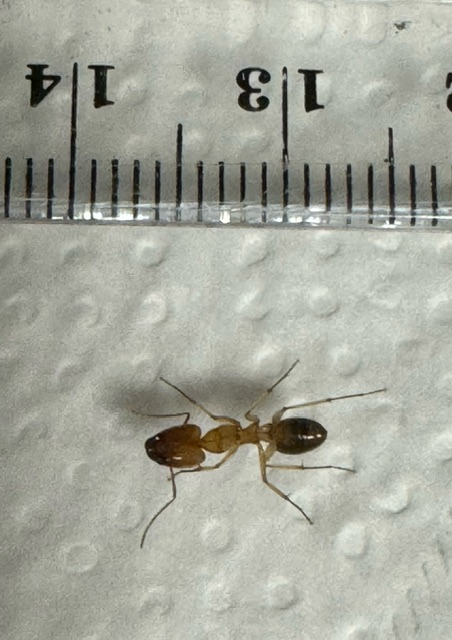
Carpenter Ant/Sugar Ant major Worker-ventral view
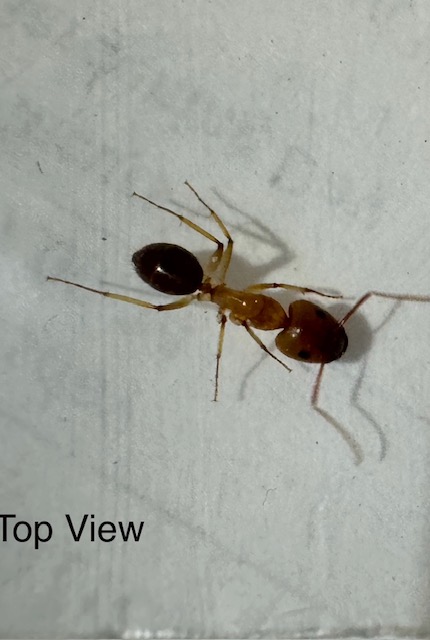
Carpenter Ant/Sugar Ant major Worker-dorsal view