Pest birds populations are growing in Australia and they are becoming a serious problem for commercial and domestic buildings, and the agriculture and horticulture sectors. They damage and deface property with their droppings, nesting, and feeding habits. Not only are they a nuisance, but they also displace native bird species. Moreover, they carry bird lice, mites, and other harmful diseases.
There are several strategies for controlling pest birds such as physical deterrents, exclusion systems, and population reduction programs. Managing pest birds needs an integrated approach that includes cultural control measures including food, water, and nesting site. But the step to every bird control program is identifying the pest bird.
Bird Pest Species
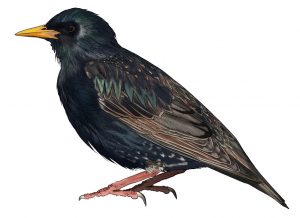
European Starling
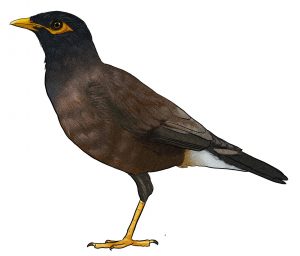
Indian Myna
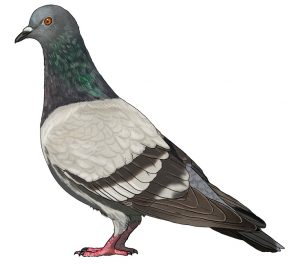
Pigeon
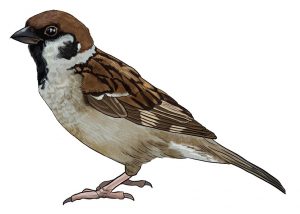
House Sparrow
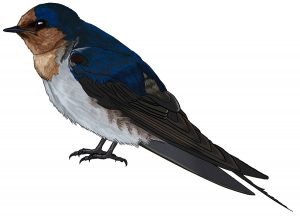
Welcome swallow
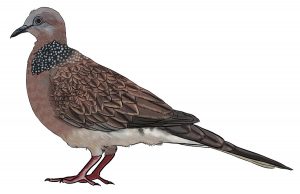
Spotted turtle dove
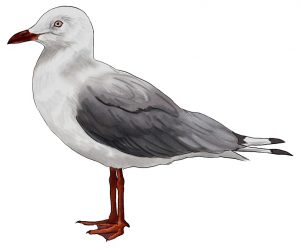
Silver gull
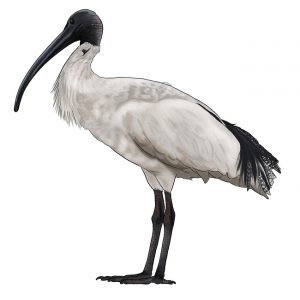
Australian white ibis
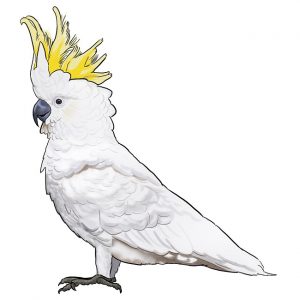
Sulphur-crested cockatoo
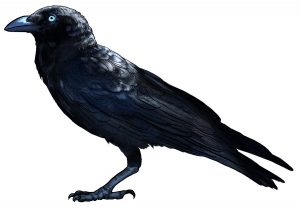
Torresian Crow
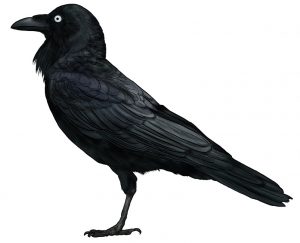
Australian Raven
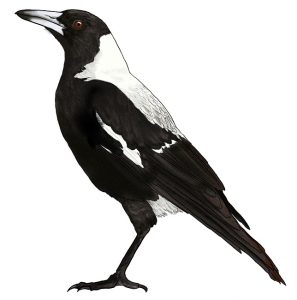
Australian Magpie
Birds as pests
Bird management is a sensitive area of pest control. Animal welfare groups and the general public want a humane control approach and to avoid killing birds as much as possible. Before control measures are applied, the public reaction should be considered.
Some problems people encounter from birds include:
- When birds are about to lay eggs, they gain access through broken tiles and damaged ridge capping. Pigeons, starlings, sparrows, swallows, and Indian mynas exhibit this behaviour.
- Warehouses and factories of stored grain and other products are often invaded by birds that are looking for food and a place to nest. Aside from contamination of the stored product, spoiling of food products from droppings can also occur. Bird droppings also carry Salmonella, which can cause food poisoning. Facilities around seaports and railway terminals frequently have this problem. Pigeons are often the problem in this situation.
- Bird dropping can deface buildings because they are acidic. Bird droppings can also pose a slip-and-fall hazard because they are slippery.
- Birds sometimes nest in guttering or downpipes, which cause water to overflow leading to moisture problems in walls. The bird faces could also corrode in metal gutterings. Starlings and pigeons often do this.
- Birds can carry bird lice and mites; mites can be pests of humans. They leave these parasites after the young have left the nest, the parasites then crawl inside the building in search of a new host. Sparrows, starlings, Indian mynas, and pigeons are the offenders in this situation.
- Birds are a frequent pest of aerodromes because they are attracted to the open and grassed areas. They are also a problem and pose a hazard for propeller-driven aircrafts because they can get sucked into the jet engines. Starlings, Indian mynas, and silver gulls are the main offenders.
- Bird droppings carry fungus diseases that become airborne and can be inhaled by humans nearby. The diseases produce symptoms in humans similar to influenza but can develop into something more serious. The avian flu has become a serious problem throughout the world. Pest managers should wear protective clothing during an inspection and bird droppings should always be wet down using specialized cleaning agents.
- Pest birds also displace native bird species because they can be aggressive and can easily out-compete both large and small native birds.
Bird Control and Management Methods
Non-lethal methods of pest bird control include scare tools, chemical repellents, habitat modification, the use of decoy food sources, and exclusion netting. Killer tactics include shooting, trapping, and poisoning. Lethal control techniques frequently have minimal impact on minimizing damage.
The most used methods are exclusion netting, frightening, shooting, and trapping. Lethal baiting is occasionally employed, although it is typically only done by licensed pest management professionals. The currently available control solutions are typically expensive, labor-intensive, call for ongoing management effort, and are only useful in limited areas. To determine which control strategy is the most beneficial and suitable approach, cost-effectiveness, humanity, and efficacy should be taken into consideration.
Exclusion netting
Exclusion netting is viewed as a humane, non-lethal substitute for lethal control measures. The type and size of netting, how it is kept up, and how frequently it is inspected determine how humane this method is. Problems can take place if birds become caught in the netting or if they fly underneath it and cannot get back out. The nets should be frequently checked, considering that entangled and trapped birds may die of malnutrition, stress, injuries, and strangling, as well as being exposed to predators.
Trapping
This control method is effective for pigeons, mynas, and sparrows. It is possible to trap birds in cages, but doing so requires a lot of work because the food and water need to be changed often in the traps. Traps have limited value because it is practically hard to catch every bird in the vicinity, as new birds are constantly coming in to find food, shelter, and/or water. Exotic pest birds that are trapped and cannot be released must be dispatched. The most humane way to do this is using carbon dioxide CO2, but this must be done discretely. Local legislations should be checked before undertaking any trapping and bird disposal program.