Family Termitidae
This is the largest family of termites known as “higher termites”. They are evolutionarily the most advanced termite family because their guts have a high capacity to degrade plant biomass — this enables them to feed on not only wood, but also grass, leaf litter, lichen, feces, humus, and soil, unlike other families or “lower termites” that have diets restricted to wood.
Members of this family are characterized by 4 tarsal segments, 2 segmented cerci, fontanelle, and saddle-shaped pronotums with anterior lobes.
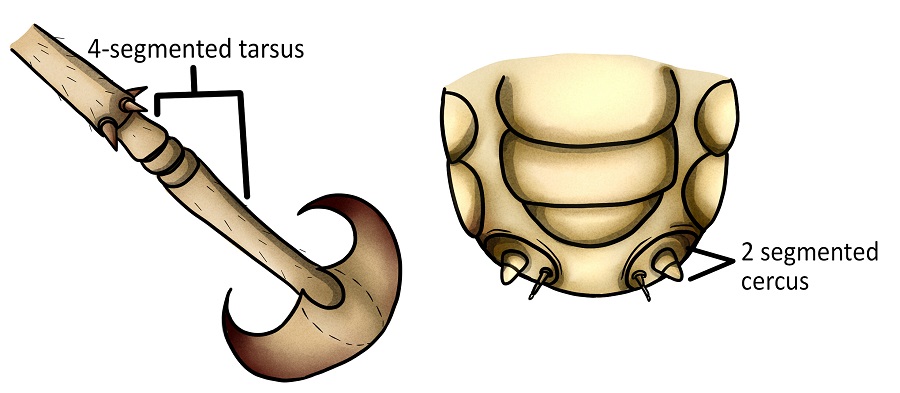
Genus: Nasutitermes
All species under this genus are Subterranean.
Distribution
The genus is widespread throughout Australia, but carious species have specific areas of occurrence.
Identification
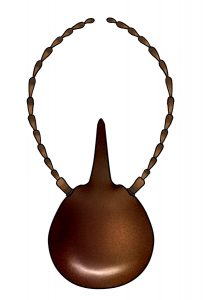
Soldiers are 3.5–7.0 mm in length and are nasute. Their heads have a beaklike frontal projection or snout where they spray a vicious entangling agent capable of immobilizing ants as a defence mechanism.
Identification of species may require not only the soldier caste but also the alates, workers, distribution, and nesting habits.
Nasusitermes Species
Nasutitermes exitiosus
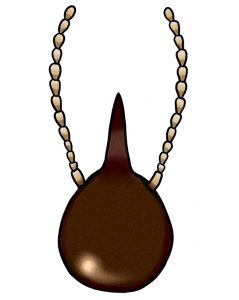
Nasutitermes gravelous
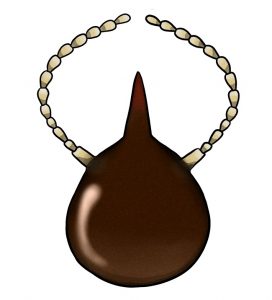
Nasutitermes walkeri
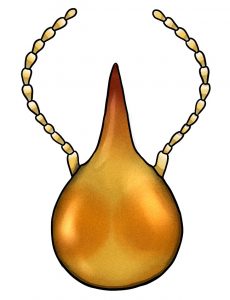
Nasutitermes dixoni
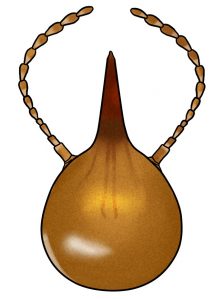
Nasutitermes fumigatus
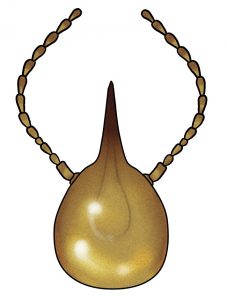
Nasutitermes occasus
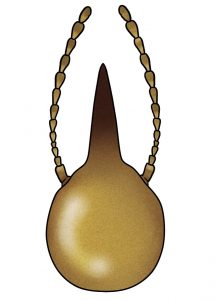
Nasutitermes magnus
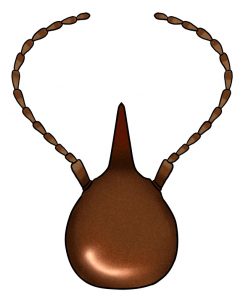
Nasutitermes triodiae
Habitat and Behaviour
Habitat and Behaviour. Most species in this genus are subterranean non-mound builders, but species such as N. exitiosus may build ground mounds in some locations. Moreover, N. graveolus and N. walkeri build arboreal nests on trees.
Most Nasutitermes species prefer hardwood and pine but other species have a preference for decayed wood and grass.